Profile: Matière Première, the Kering Beauté-backed brand exploring new sourcing territories
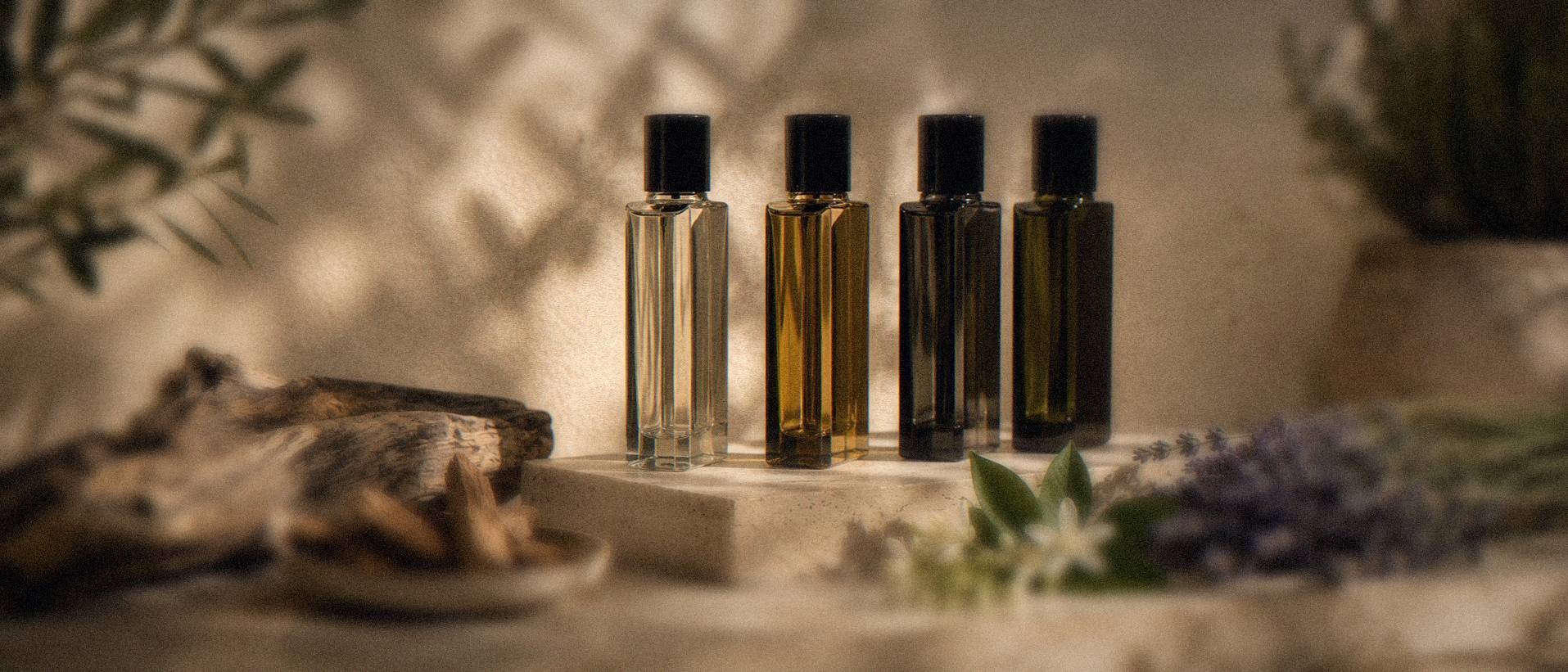
Among niche fragrance brands built around a single raw material per scent rather than complex accords, Matière Première holds a particular place: that of an independent house now backed by a first-tier luxury player, Kering Beauté, the Kering group’s beauty division.
A single-material positioning as signature
Matière Première’s concept rests on a clear editorial bet: reveal a raw material in all its complexity rather than bury it inside an accord. Each fragrance becomes a deep exploration of one ingredient, oud, musk, incense, rather than a classic pyramid built from dozens of components. This approach demands a particular rigor in sourcing, since the quality of the raw material can no longer hide behind the complexity of a composition.
What Kering Beauté’s backing means
For a luxury group like Kering, investing in a single-material niche brand isn’t a trivial move. It reflects a broader strategy among major houses: diversify their beauty portfolio by leaning on independent brands with strong creative identity, rather than building everything in-house. This approach offers a double benefit, it gives the group access to already-established craft and editorial credibility, while offering the independent brand development resources and distribution power it wouldn’t have on its own.
For Matière Première, this backing translates concretely into exploring new sourcing territories, an opportunity to diversify its raw material origins and potentially build direct relationships with producers in areas previously less accessible to a modestly-sized independent structure.
Worth noting for anyone tracking Kering’s beauty strategy: the minority stake in Matière Première, taken in June 2024, is a separate matter from the $4.7 billion sale of Kering Beauté’s larger license portfolio, Creed plus the Bottega Veneta, Balenciaga and future Gucci fragrance licenses, to L’Oréal, a deal announced in October 2025 and completed on March 31, 2026 (Cosmetics Business; Business of Fashion). In other words, the backing described here survives the reshuffling of Kering’s bigger beauty license business, a useful distinction for anyone assessing how stable this kind of investment actually is.
What it reveals about the sourcing landscape
This kind of alignment illustrates an interesting dynamic for producers and sourcing structures in Africa, the Gulf and Asia: major luxury groups increasingly look to secure supply relationships through satellite brands rather than directly under their own name. A cooperative or producer that builds a trust relationship with a niche brand like Matière Première can, in effect, find itself indirectly connected to a much larger group. It’s a different route to the same destination as Firmenich’s direct, in-house sourcing teams in India and Africa, capital and brand-building instead of perfumers on the ground, but the underlying goal, secure access to differentiated raw materials, is identical. The same logic of a large group backing a smaller, sourcing-savvy player is playing out on the consumer-brand side too, in markets like Kenya’s fast-growing skincare scene.
For players looking to structure durable sourcing partnerships, understanding this mechanic, where the real decision-maker sits, what role the intermediary brand plays, what room for maneuver exists, becomes a strategic skill in its own right.
The brand’s own momentum backs up the thesis: Matière Première closed 2025 with retail sales of about €80 million, up more than 70% year-over-year, and now runs four freestanding stores, in Saint-Tropez, Paris, Berlin and London (WWD). Its latest release, Metal Lavender, launched in April 2026, is telling on the sourcing front specifically: it’s the third fragrance built around an ingredient, lavender, that the brand now grows on its own farm in the south of France, one of the largest organic flower farms in the region. Growing the raw material yourself is, in a sense, the most direct sourcing strategy of all.