
Cosmoprof 2026, the most international edition yet: what it reveals about Asia's momentum
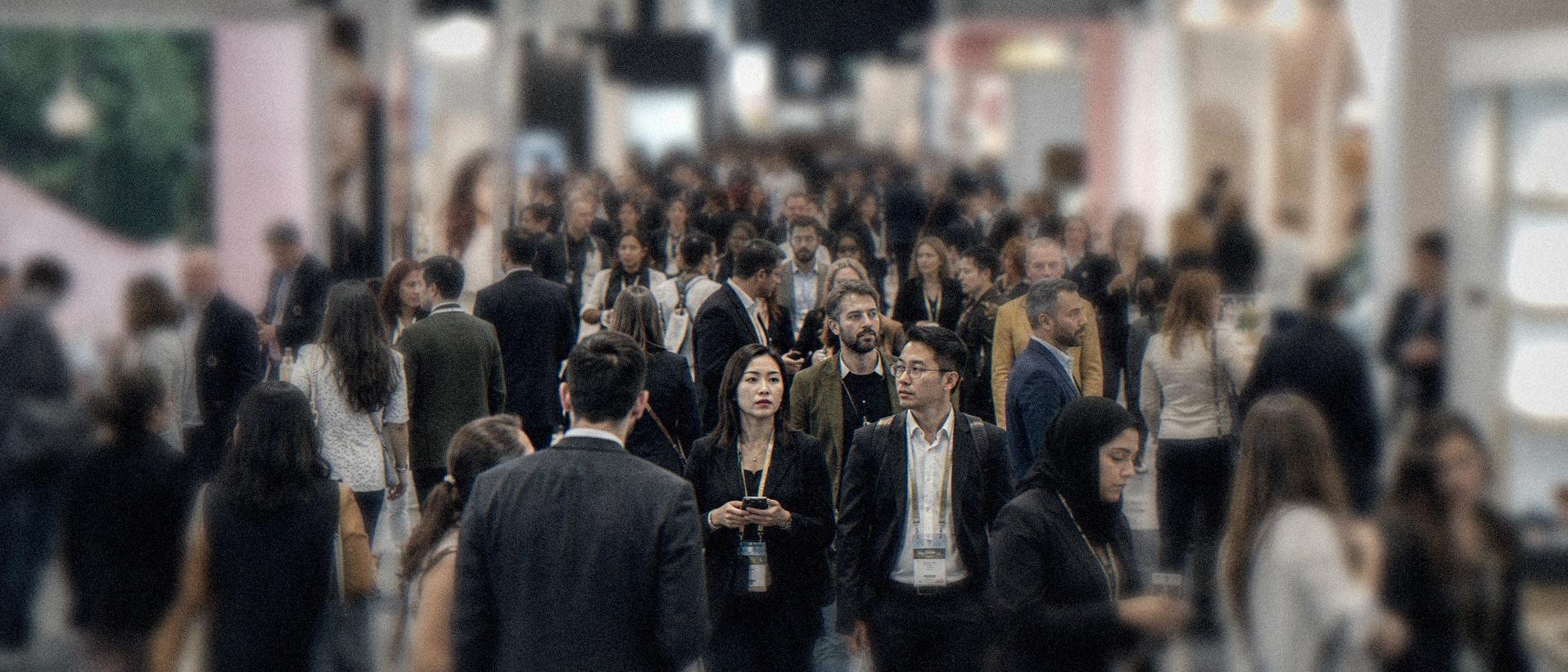
Cosmoprof Worldwide Bologna has remained, for decades, one of the unmissable dates on the beauty and cosmetics professional calendar. The announcement of an “even more international and diverse” 2026 edition isn’t just a marketing line, it reflects a deeper shift in the show and, more broadly, in the industry it represents.
A historically Euro-centric show reorienting itself
Long seen as a primarily European showcase, with a strong presence of Italian and French exhibitors, Cosmoprof has progressively broadened its international base over the years, to the point of launching dedicated regional spin-offs, in Hong Kong for Asia, in Las Vegas for North America. The Bologna edition nonetheless remains the epicenter, the one where the largest number of buyers, brands and raw material suppliers from around the world converge.
The emphasis on internationalization for 2026 reflects a simple economic reality: global beauty market growth no longer plays out primarily in Europe or the US, it plays out increasingly in Asia and, to a smaller but growing extent, in Africa. A show that wants to remain the global reference has to reflect this geographic realignment of demand.
What it concretely means
The 2026 edition puts real numbers behind that shift: 3,104 exhibiting companies from 68 countries, more than 255,000 operators on site, and 37% of exhibitors attending for the first time, a sign the show keeps pulling in new players rather than just retaining its historic base. Non-European exhibitors now account for 44% of the total, and the 32 country pavilions include newcomers like Saudi Arabia alongside longer-established ones, organized with government institutions and local chambers of commerce (Cosmetics Business).
A “more diverse” edition generally translates into more exhibitors from previously underrepresented regions, dedicated spaces or thematic pathways for certain regions, and a conference program that better reflects the issues specific to these markets, local regulation, distinct consumer trends, distribution channels different from the classic Western retail model.
For Asian and African industry players, this evolution represents a concrete window of opportunity: more visibility on a show whose legitimacy is, for now, still largely built on its European roots and history. It’s the same growing visibility already showing up in venture numbers, Kenya’s own beauty brands are a case in point, a market building real momentum well outside the traditional Bologna orbit.
Why it’s worth following this kind of trade show closely
Beyond taking orders or discovering new suppliers, a show like Cosmoprof also functions as a barometer, the way an event reorganizes itself from one edition to the next often says more about the sector’s power dynamics than any market study published after the fact. Tracking how its exhibitor geography and programming evolve, year after year, remains one of the most concrete ways to anticipate where the industry is actually heading rather than where it claims to be going.
That same logic applies to who gets backed behind the scenes, not just who exhibits. Kering Beauté’s stake in niche brand Matière Première and Firmenich’s direct sourcing relationships in India and Africa are both, in their own way, bets on where the industry’s center of gravity is moving, the trade show floor is simply where that movement becomes visible all at once.
Source: Cosmoprof promet une édition 2026 encore plus internationale et diversifiée - Premium Beauty News