Fragrance's raw material shortage: how the industry is responding
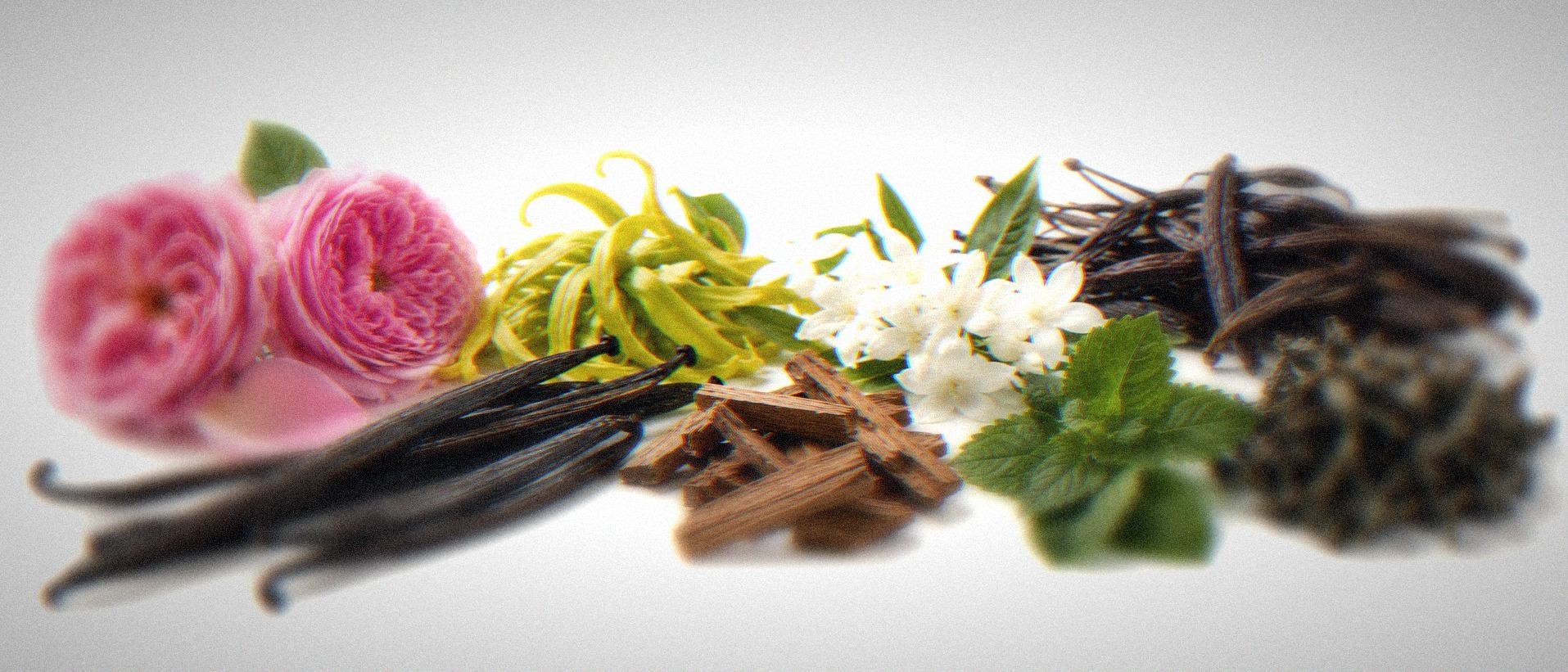
Fine fragrance shares a structural problem with niche agri-food: its best raw materials grow on limited surfaces, in precise climatic zones, often concentrated in one or two countries. Damask rose in Morocco and Bulgaria, ylang-ylang in the Comoros, vanilla in Madagascar, patchouli in Indonesia: each time, the same vulnerability, a local climate shock, political crisis or health event is enough to hit an entire global market.
A scarcity that’s no longer occasional
For a long time, production hiccups were treated as one-off accidents, a bad harvest offset the following year. What’s changing is the frequency. Climate change is shifting flowering windows, intensifying droughts and floods, and destabilizing production ecosystems already under economic and social strain. Shortage is no longer the exception, it’s becoming a structural variable that any long-term sourcing strategy has to account for.
The scale is now measurable: rising shortages of jasmine, sandalwood, rose and vanilla were reported to affect roughly 27% of fragrance manufacturers globally in a 2026 industry survey, and price-sensitive consumers have already cut back premium fragrance purchases by around 18% in response to the resulting inflation, even as natural ingredient adoption keeps climbing, past 52% of premium fragrance manufacturing, a sign that demand for naturals isn’t softening even as supply gets harder to secure (Scento).
How the industry is responding
Three broad strategies coexist today among the most exposed players. The first, geographic diversification, means no longer depending on a single production basin for a given material, even if it means accepting quality variation between origins. The second, direct investment upstream, through long-term partnerships, multi-year contracts or equity stakes in production structures, aims to secure volumes rather than take the spot market as it comes, the model Firmenich has run for decades in India and Africa. The third, more recent, relies on biotechnology and fermentation to lab-produce molecules identical or close to natural extracts, reducing dependence on pure agriculture without necessarily eliminating it.
None of these responses is sufficient on its own. Geographic diversification has botanical limits, not every plant grows just anywhere. Upstream investment takes time and patient capital. Biotech remains costly and doesn’t always replicate the complex olfactive identity of a natural extract.
What it means for mid-sized players
Large groups have the means to pursue all three strategies at once. For smaller structures, independent brands, formulators, the question becomes strategic in a different way: rather than trying to secure everything alone, pooling resources through buying cooperatives, shared sourcing partnerships or direct relationships built with identified producers often becomes the more realistic lever.
That’s also precisely the blind spot this kind of tension reveals: the producers themselves, often small structures or cooperatives in origin countries, need visibility on demand just as much as buyers need visibility on supply. A shortage is never just a volume problem, it’s also a problem of a relationship poorly built between the two ends of the chain.
That upstream investment is already showing up on the ground: in May 2026, IFF opened a 650-square-meter Vanilla Innovation Center in Toamasina, Madagascar’s main port and close to the country’s main growing regions, dedicated to studying vanilla quality, natural variability and post-harvest processing (Home & Personal Care Middle East & Africa). It’s a concrete, present-tense example of the second strategy described above, a major buyer putting infrastructure directly in the origin country rather than just buying from it.
Source: L'industrie du parfum s'organise pour éviter la pénurie de matières premières - Le Monde.fr