Behind Dior's bottles: the invisible labor of Comorian ylang-ylang pickers
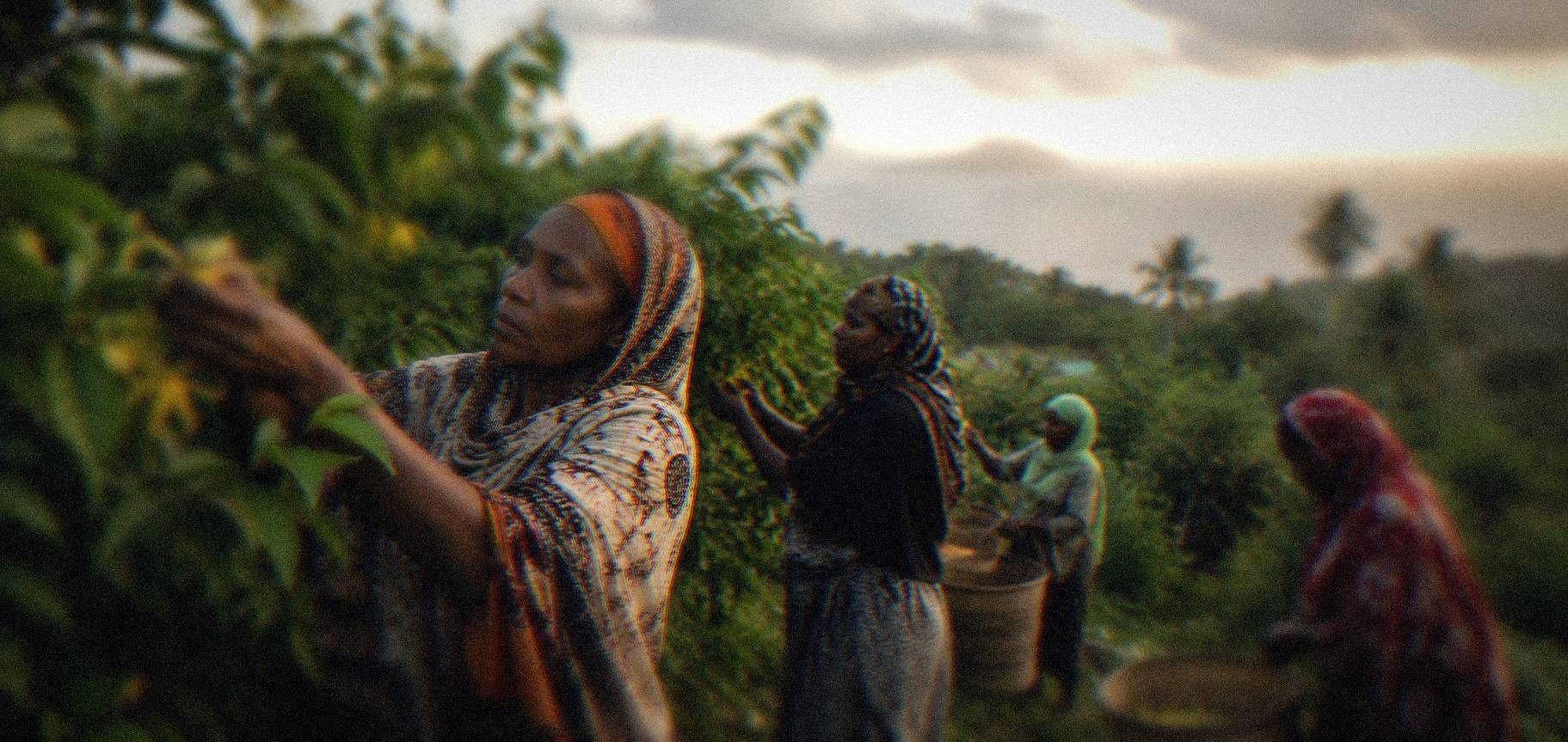
Comorian ylang-ylang enjoys an enviable reputation in the luxury industry, considered by many perfumers as the world reference for this flower, whose essential oil goes into iconic compositions, including at houses as prestigious as Dior. But this olfactory reputation contrasts sharply with the economic conditions of those who pick the flower at the source.
A raw material with a global reputation
The Comoros archipelago accounts for a significant share of the world’s supply of high-grade ylang-ylang, alongside Madagascar. Local climate conditions and the cultivated variety produce a particularly sought-after essential oil, with complex floral notes that make it a material of choice for luxury fragrances. This reputation has built up over decades, to the point that “Comorian ylang-ylang” functions almost as an appellation in its own right within the industry.
The scale of that supply is modest relative to its influence: the archipelago produces an estimated 30 to 40 tonnes of ylang-ylang essential oil per year, mainly on the island of Anjouan, home to some 350 small distilleries, and ylang-ylang and other perfume essences make up around 9% of the Comoros’ total exports (The Borgen Project). Demand keeps climbing regardless: the global ylang oil market was valued at $514.16 million in 2025 and is projected to reach $779.26 million by 2032 (PW Consulting), pressure applied to a supply base that a handful of distilleries on two islands can’t easily expand.
A deeply uneven value chain
That’s precisely what raises questions, the contrast between the perceived value of this material in a bottle sold at a premium price and the pay of those who, at the base of the chain, pick the flowers at dawn, the moment their essential oil content is at its peak. Field investigations document very low daily wages for this physically demanding, meticulous work, while distillation and further processing generate most of the added value much further down the chain, often outside the Comoros altogether.
This imbalance isn’t unique to ylang-ylang, it characterizes a large share of the natural raw material supply chains used in luxury fragrance, where value has historically concentrated on the processing and brand side rather than on agricultural production.
What it means for a responsible sourcing approach
For a brand or organization that claims ethical sourcing, this kind of finding can no longer be ignored. Traceability that stops at the distiller, with no visibility into the pay conditions of pickers further upstream, leaves a major blind spot in any social responsibility approach.
Initiatives exist to rebalance this value chain, fair trade agreements, direct contracts with local cooperatives, quality premiums redistributed upstream rather than captured solely by intermediaries. But they remain a minority against a market still largely structured around classic purchasing channels, the same gap that direct-sourcing models like Firmenich’s approach in India and Africa are, at least partly, designed to close. For any player who wants to build a genuinely differentiated sourcing relationship with the Comoros or Madagascar, the question is no longer just the olfactory quality of the material, it’s also how the value it generates gets distributed, and how resilient that supply really is against the kind of structural scarcity now affecting several noble naturals at once.
Some of that rebalancing is already underway rather than purely aspirational: Chanel has been working with its Comorian suppliers on tree-replanting for firewood and on better wages for pickers, while processors on the ground are shifting toward stainless-steel alembics that cut both fuel use and cost compared to older equipment (The Borgen Project). It’s a modest start relative to the scale of the imbalance, but it shows at least one major house treating supply-chain fairness as an operational question rather than only a communications one.