Which Dubai clean beauty brands actually scaled?
By the LiaKea Beauty Tribe editorial team3 min read
Key figures
- UAE clean beauty market
Forecast to reach ~$166.7M by 2030, at a 13.9% CAGR (2024-2030), more than 3x the 4.14% CAGR forecast for the UAE's overall cosmetics market
As of
- Shiffa's track record
Founded 2004 in Dubai by Dr. Lamees Hamdan; a Sephora Middle East best-seller within 2 months of its 2009 launch; now carried by Nordstrom and Bloomingdale's in the US
As of
- The Camel Soap Factory's scale-up
From a home kitchen in 2014 to a factory producing 40,000-50,000 soap bars a month by 2018; now in Carrefour, Spinneys and Waitrose UAE, with exports to Russia, Pakistan, Germany and India
As of
Emirates Woman’s Earth Day roundup does what listicles do: eight brands, one paragraph each, all described in the same enthusiastic register. Read past the format and the eight split cleanly into two different businesses, five or six early-stage, founder-led lines still selling mostly at home, and two with an actual retail and export record worth treating as a partnership signal rather than a nice story.
Dubai clean beauty brands, and what the roundup flattens
The roundup groups Skin Story (founded by sisters Rashi and Nidhi Sethi after their own struggle to find non-toxic makeup), Shirley Conlon Organics (built around sun-safe, photo-toxin-free formulas after its founder’s skin reacted to Dubai’s climate), Sunkiss (a Dubai-born reef-safe sun care line) and MAAKE Makeup (a Dubai cosmetics line for both professionals and beginners) alongside De L’Arta, a 2016 startup from Dr. Lina Yousef and Saeed AlKhoori built around the Arta, a desert tree native to the UAE. All are real, clean-formulated, locally founded, and, on the evidence available, still primarily UAE-market businesses. That’s not a knock, it’s the normal stage for a brand a few years old, but a listicle format that puts them next to a 20-year-old brand carried by US department stores obscures exactly the distinction worth making.
Shiffa, the Dubai clean beauty brand that already scaled
Shiffa is that older brand. Dr. Lamees Hamdan, an Emirati physician, founded it in 2004 after struggling to find a natural stretch-mark treatment during her own pregnancy, starting with four hand-blended oils. It debuted at Sephora Middle East in 2009 and became a top seller within two months on word of mouth alone. Today Shiffa, and Hamdan’s newer sister brand Timebeam, are carried by Nordstrom and Bloomingdale’s in the US, a genuine crossover from a regional indie label into US luxury retail, the kind of distribution most beauty brands never reach regardless of where they’re founded. Hamdan has described Dubai’s beauty scene as “the New York of the Middle East,” where “the competition is fair, and the playing field is level,” which reads less like marketing copy and more like a founder describing the market that actually let her brand compete on those terms.
The Camel Soap Factory, from home kitchen to retail
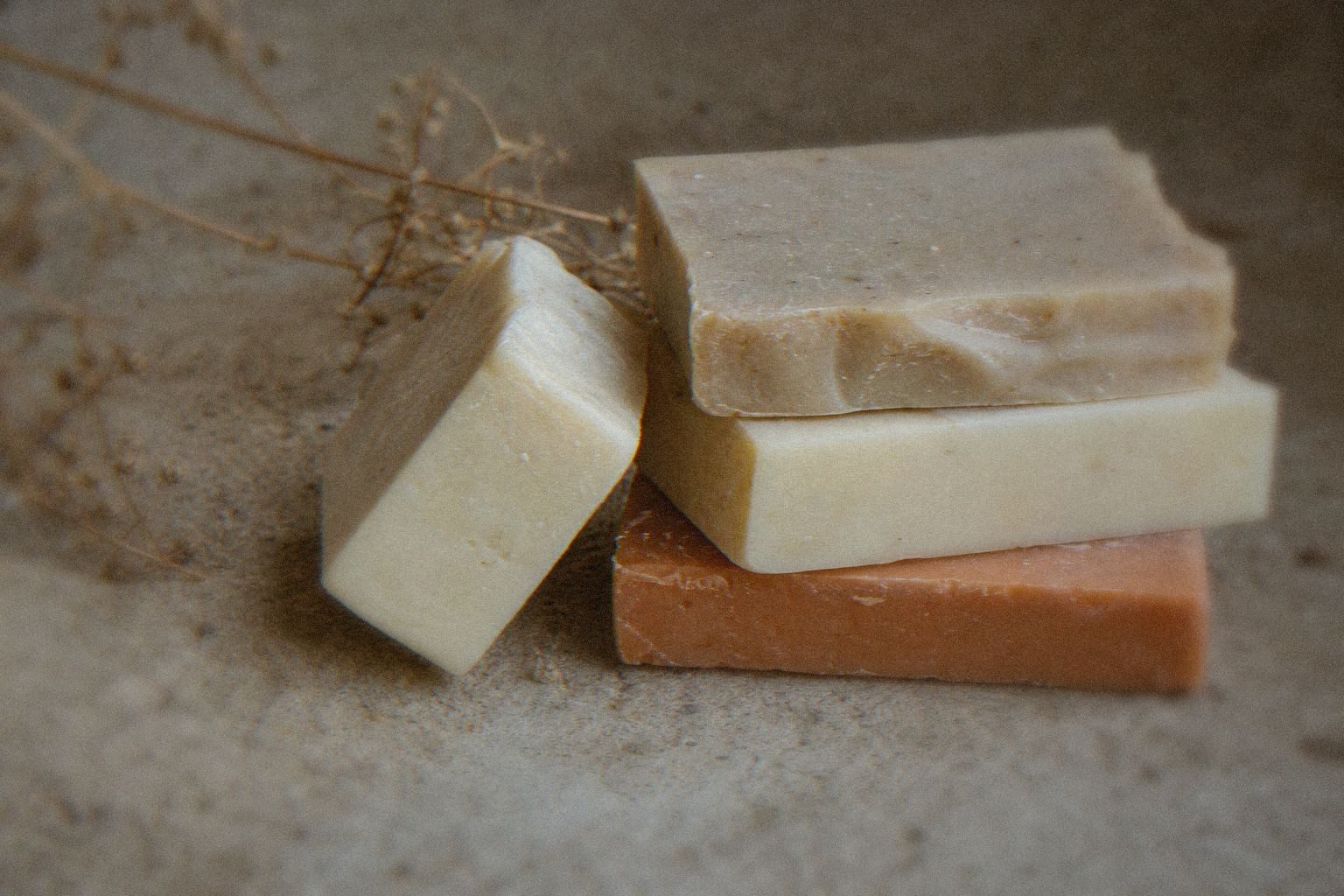
The Camel Soap Factory is a different kind of proof point. Stevi Lowmass started making camel-milk soap from her home kitchen around 2014, selling at Dubai art markets before gift shops picked her up. By 2018 she’d opened a dedicated factory, scaling production from roughly 10,000 to 40,000-50,000 bars a month. The brand is now stocked in Carrefour, Spinneys, Al Jaber Gallery and Waitrose UAE, and export data shows shipments reaching Russia, Pakistan, Germany and India. It’s also, on the raw-material side, a rare case of a UAE clean beauty brand built around a genuinely local ingredient story, camel milk, rather than an imported formulation philosophy repackaged with local branding.
What UAE clean beauty growth means for sourcing
The UAE’s clean beauty segment is growing fast enough to justify watching this category closely: it’s forecast to nearly triple the CAGR of the broader UAE cosmetics market through 2030, with natural and organic formulations still a minority of the market but gaining share every year. That growth curve is exactly why the distinction inside Emirates Woman’s list matters. Actors & Partnerships already covers the way large groups like Kering Beauté and L’Oréal’s Big Bang program place early bets on niche innovation from the top down; this pillar is about spotting who’s building real traction before anyone that size shows up. On today’s evidence, Shiffa and The Camel Soap Factory are the two names in this list that already look investable or partnership-ready, proven multi-channel retail, export shipments, a decade or more of operating history. The rest are worth the same treatment Kenya’s rising skincare brands got: real, clean, well-founded businesses to track as they grow into the kind of partner the two leaders already are.
Source: World Earth Day: 8 clean beauty brands redefining sustainability in the UAE - Emirates Woman
Was this useful?
What was missing?
Noted, thank you. It goes straight to the editorial side.