IFRA's 51st Amendment: what changes on October 30, 2026 for formulators

The International Fragrance Association (IFRA) regularly publishes amendments to its standards, the world’s reference framework for self-regulating fragrance ingredient safety. The 51st amendment sets a firm deadline, October 30, 2026, for bringing affected formulations into compliance. For any organization that formulates, distributes or sells scented products, the date matters as much as the content.
What an IFRA amendment covers
IFRA standards work through progressive restriction rather than outright bans, an ingredient deemed risky beyond a certain concentration threshold, or in certain product categories, sees its use capped, framed, or in some cases prohibited within specific categories. These decisions rely on the work of the Research Institute for Fragrance Materials (RIFM), which continuously evaluates the toxicology, ecotoxicology and allergenic potential of materials used in fragrance.
The 51st amendment continues a trend already set in motion by previous texts, with a particular tightening on allergenic substances and certain synthetic molecules historically used as fixatives or base notes. Formulators who track these developments closely know that an ingredient perfectly legal today can find itself restricted within the next two or three revisions, which pushes part of the industry to anticipate rather than scramble at the last minute.
The scale of this amendment is bigger than most: it adds 59 new rules, bringing the total number of IFRA Standards to 263, including 32 new restriction standards based on skin sensitization and systemic toxicity and 11 built on a dermal sensitization quantitative risk assessment model. It also overhauls the Furocoumarin Standard entirely, moving to a cumulative limit model across eight phototoxic substances commonly found in citrus oils, rather than regulating each one in isolation (Coptis).
Why the October 30 deadline matters
Unlike a simple recommendation, the deadline set by the amendment creates real operational pressure. Brands and manufacturers must reformulate affected products, validate new versions, and sometimes requalify entire supply chains if a restricted ingredient came from a specific supplier. For a small organization without a dedicated regulatory team, this kind of timeline can be harder to absorb than for a large group with permanent compliance staff.
What it means for natural raw material sourcing
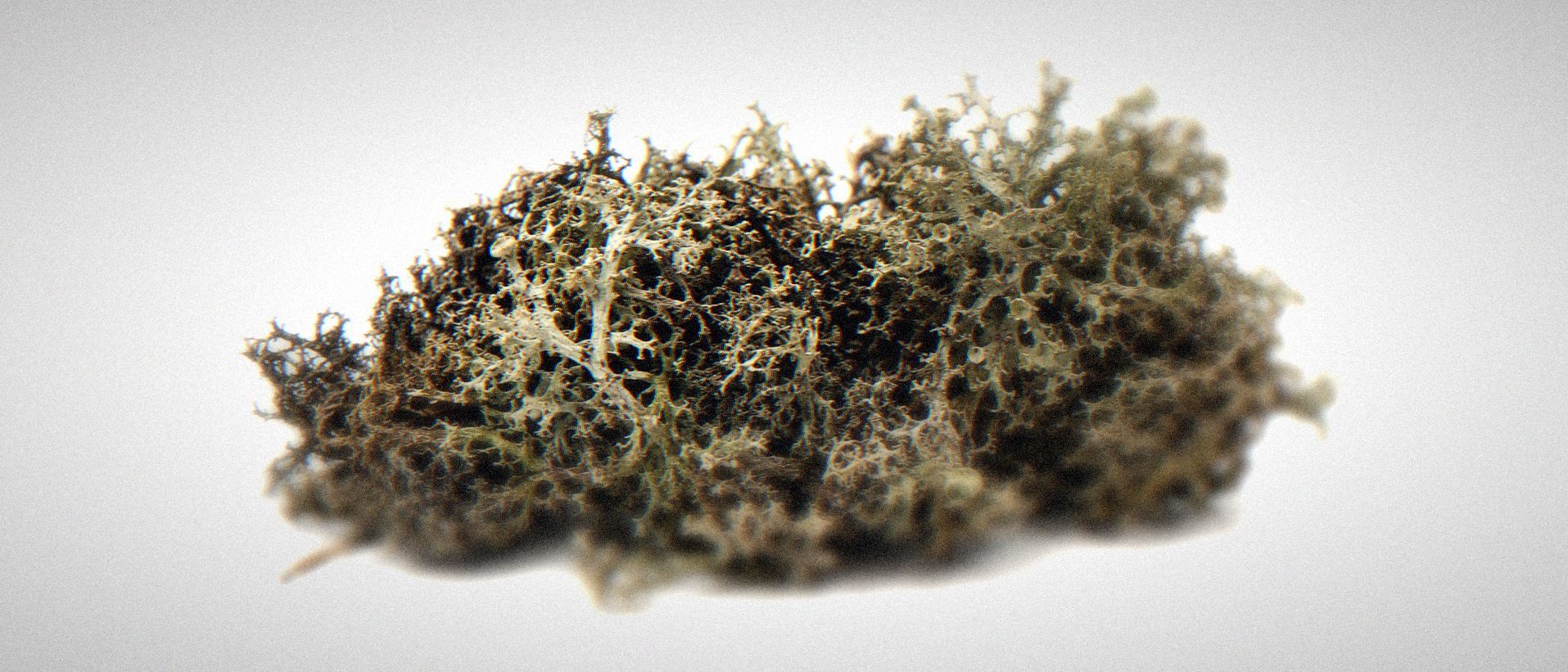
IFRA restrictions don’t only concern synthetic molecules. Some historic natural materials, like oakmoss, already tightly regulated in the past due to its allergenic profile, have forced perfumers to revisit iconic formulas or work with purified versions of these extracts. It’s a useful reminder: natural doesn’t automatically mean regulatory safe, and raw material buyers need to track these developments with the same rigor as they do for synthetic ingredients, on top of the supply-side scarcity already squeezing many of the same materials.
For any organization committed to a long-term sourcing strategy, building continuous IFRA regulatory monitoring into the process is no longer optional, it’s become as foundational a prerequisite as availability or price of the materials themselves.
Worth keeping in view: IFRA’s 51st Amendment no longer operates in isolation. Three overlapping frameworks now define fragrance compliance at once, IFRA’s own Standards (Amendments 51 and 52), the EU’s expanded fragrance allergen labeling rules under Regulation (EU) 2023/1545, and the US Modernization of Cosmetics Regulation Act (MoCRA) (Grand Ingredients). A formulator or buyer tracking only one of the three is, in practice, only seeing part of the compliance picture in 2026.