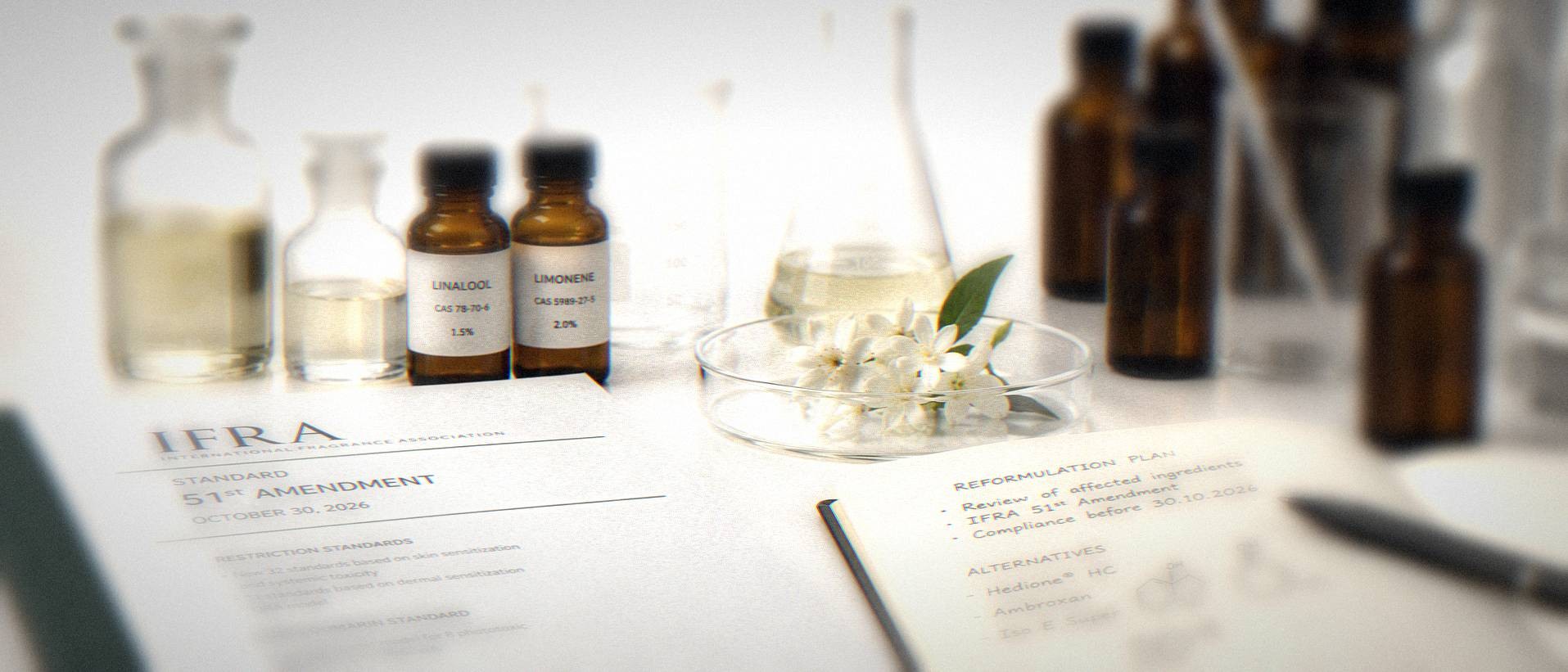
Oakmoss and IFRA: a textbook case on natural material restrictions
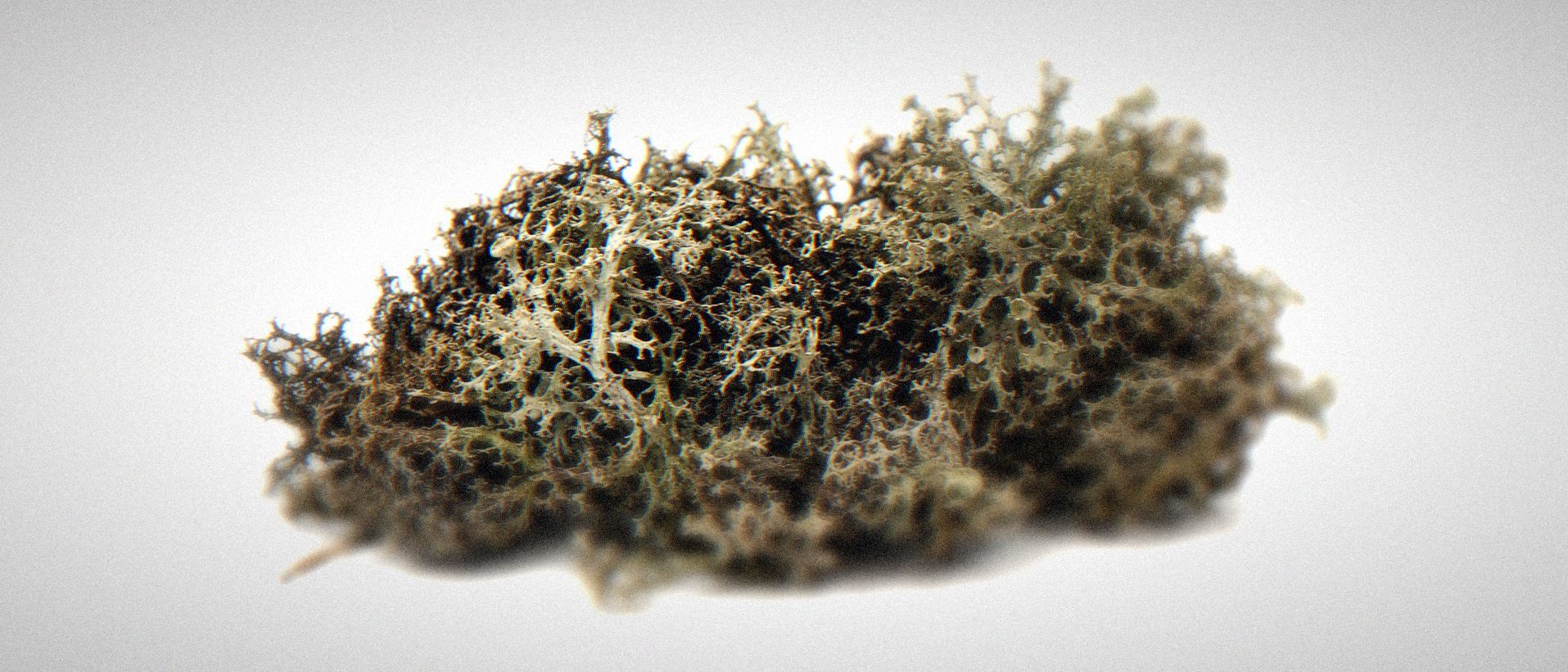
Few ingredients embody the tension between olfactory heritage and modern regulation as well as oakmoss. A pillar of the chypre family for over a century, this natural material, extracted from lichen growing on oak and fir trees, has seen its use reshaped by decades of successive IFRA restrictions, without ever fully disappearing from formulas.
A material at the heart of fragrance history
Oakmoss owes its place in olfactory heritage to a unique ability to bring woody, earthy, faintly animalic facets, inseparable from compositions that became benchmarks of the chypre genre. Its natural chemical complexity, rich in dozens of volatile compounds, also makes it a material particularly scrutinized by toxicologists, some of these compounds having been identified as potential allergens at certain concentrations.
The numbers behind the restriction are precise: IFRA caps oakmoss at a maximum of 0.1% in fine fragrance, with two of its natural components, atranol and chloroatranol, each limited to under 100 parts per million in the extract, and dehydroabietic acid capped at 0.1%. The EU went further still, adopting a 2017 regulation that bans atranol and chloroatranol above trace levels in cosmetic products altogether, with no new product containing them above that threshold allowed onto the EU market since 2019 (Cosmetics & Toiletries).
Why IFRA regulates this material so closely
Unlike an outright ban, IFRA’s approach to oakmoss illustrates the risk-management logic that characterizes fragrance regulation: restrict concentrations, encourage purified versions stripped of the most problematic compounds, rather than banning an entire material overnight. This gradual approach lets the industry preserve, at least partially, an olfactory heritage built over decades, while reducing the real health risk identified by toxicological research.
The concrete result for formulators: a material that stays usable, but under increasingly framed conditions, with extracts technically reworked to meet authorized thresholds. Some perfumers see it as an added creative constraint, others as a gradual loss of the raw material in its most authentic form.
What this case teaches about other natural materials
Oakmoss isn’t an isolated case, it foreshadows what can happen to other historic natural materials as toxicological research progresses. A material perfectly accepted today can face tighter regulation tomorrow, not necessarily because of a quality or sourcing issue, but simply because scientific understanding of its composition has moved forward, exactly the dynamic playing out again with IFRA’s 51st Amendment, which adds dozens of new restriction standards well beyond oakmoss alone.
For buyers and formulators working with complex natural materials, this precedent calls for particular vigilance: knowing a material’s fine chemical composition, beyond its olfactory profile, becomes a genuine strategic advantage for anticipating rather than absorbing the next regulatory shift, on top of the availability pressure many of these same naturals already face.
The workarounds are active right now, not theoretical: perfumers reformulating chypre bases in 2026 are turning to “lightened” oakmoss extracts authorized in larger quantities once stripped of atranol and chloroatranol, to cleaned lichen substitutes, or to Evernyl, a synthetic standing in for the material’s signature mossy facet (Aimée de Mars). None of these fully replicates the original, which is precisely why the debate over oakmoss hasn’t settled even years after the restriction first landed.
Source: Oakmoss: an exemplary case of IFRA's role - Nez - le mouvement culturel olfactif