Nigeria's shea butter export ban, and who it helps
By the LiaKea Beauty Tribe editorial team5 min read
Key figures
- The value gap, in one country
Nigeria produces 40% of the world's shea nuts but captures about 1% of the $6.5bn global shea products market
As of
- What Africa supplies
Over $1bn of cosmetic ingredients a year: shea around $500m, argan around $300m, baobab around $50m and growing 20% annually
As of
- Market growth
Africa's cosmetics market estimated at $4.42bn in 2026; beauty and personal care across the continent forecast to add $10.84bn between 2025 and 2030, a 9.6% CAGR
As of
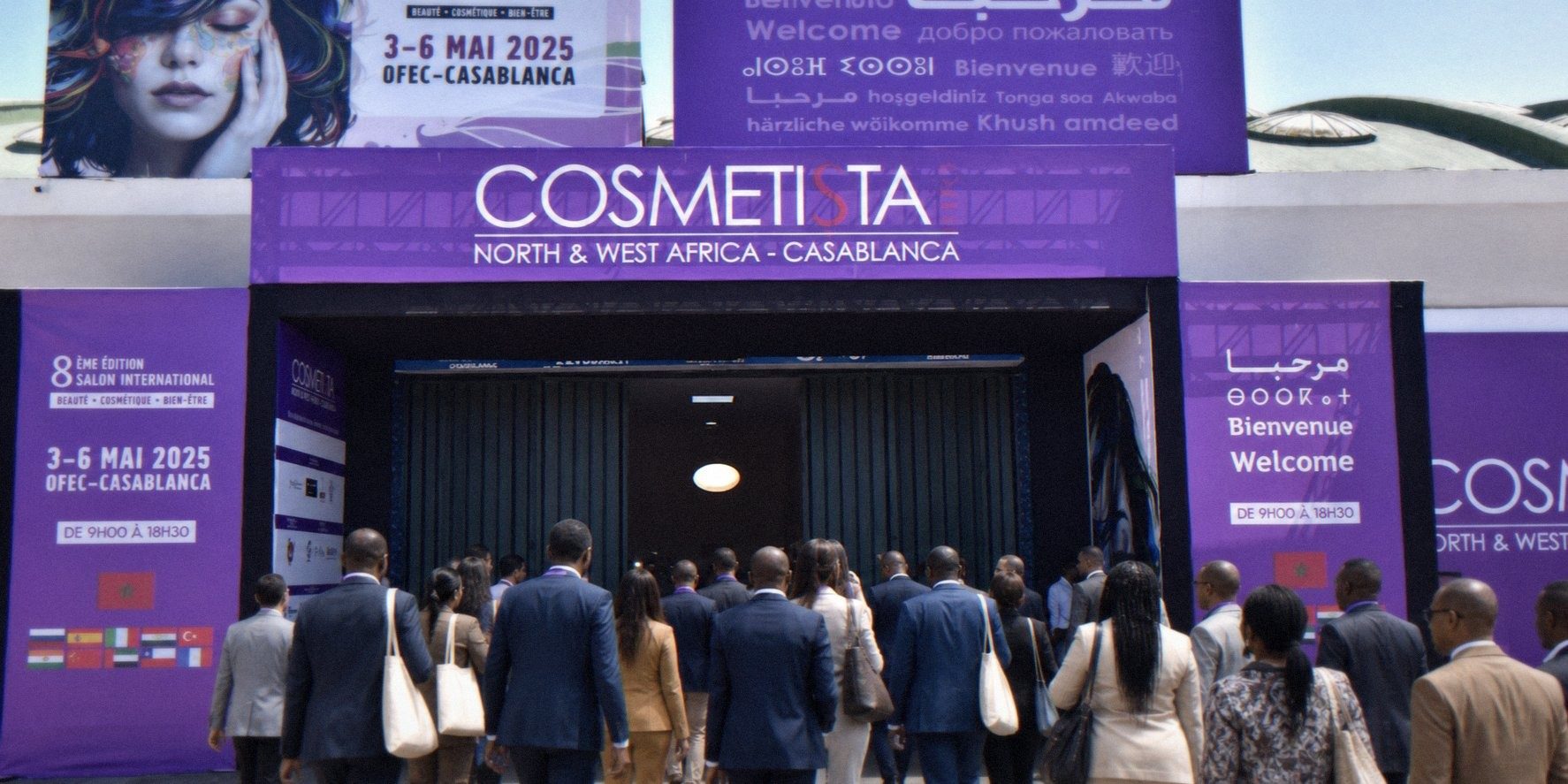
Two trade shows six months apart tell you most of what you need to know about African beauty right now. BEAUTYISTANBUL, held in May at the TUYAP centre, describes itself as the most visited cosmetics event for buyers from Africa, Eastern Europe and Central Asia, and drew trade visitors from 167 countries alongside country pavilions that included South Africa, Ghana and Gambia (BEAUTYISTANBUL). Cosmetista Expo North & West Africa, running since 2016 and back at Casablanca’s OFEC from 16 to 19 May 2026, drew more than 19,000 visitors to its 2025 edition, with 135 exhibitors carrying over 700 brands and nine exhibiting countries including Turkey, Italy, the UAE, Egypt and Chile (LeSiteinfo).
Neither gets much coverage in the generalist trade press, which mostly follows Bologna, Paris and Seoul. That is a reporting gap rather than a relevance gap, and the two events sit on either side of the question that actually matters for the continent: African beauty is growing quickly, but where does the money end up?
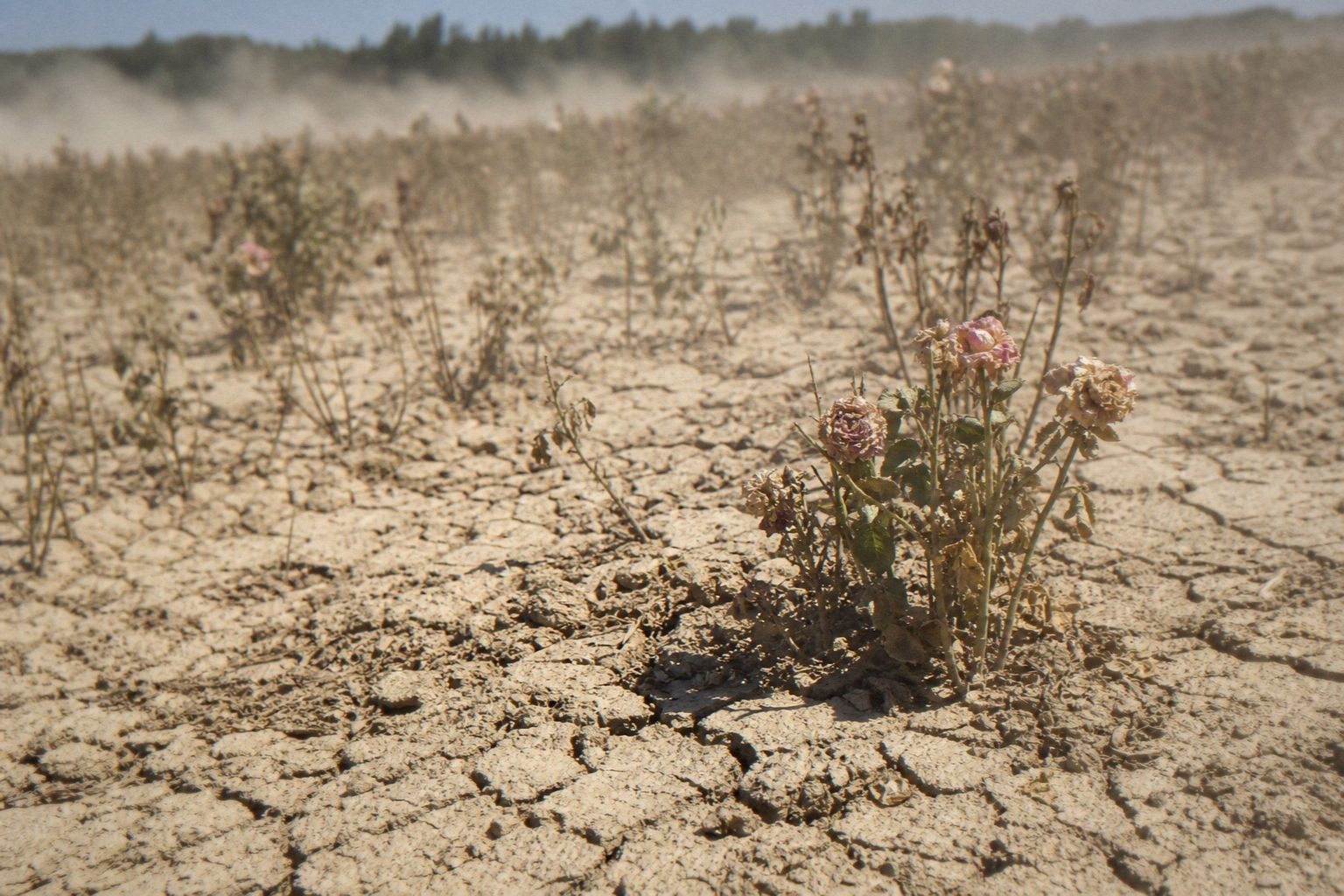
Nigeria grows 40% of the world’s shea, and earns 1%
Nigeria produces about 40% of the world’s shea nuts. It captures roughly 1% of the $6.5 billion global market for shea products (PBS).
That ratio is the African beauty economy in miniature. The continent supplies well over a billion dollars of cosmetic ingredients a year, shea at around $500 million, Moroccan argan at around $300 million, baobab oil at around $50 million and growing about 20% annually (African Wildlife Economy Institute). Almost all the refining, formulating, branding and retailing that turns those materials into products carrying a premium happens somewhere else, and so does almost all the margin.
Meanwhile the consumer market on the continent is real and compounding: Africa’s cosmetics market is estimated at $4.42 billion in 2026, and beauty and personal care across Africa is forecast to add $10.84 billion between 2025 and 2030, a compound growth rate of 9.6%. Growing demand and growing supply, with the profitable middle of the chain sitting offshore.
Beauty Istanbul and Cosmetista Expo, and what each is for
Read against that backdrop, the two events are not interchangeable.
BEAUTYISTANBUL functions as an intermediary marketplace. Turkey has built itself into a private-label and contract-manufacturing hub, and the show is where African distributors and brand owners come to find someone to make their products. Its own positioning as the most visited cosmetics event for African buyers is telling: a significant share of African beauty sourcing is transacted not in Lagos, Nairobi or Casablanca but in Istanbul, because that is where formulation and filling capacity is concentrated and priced competitively. The relationship runs both ways: Turkey was among the nine exhibiting countries in Casablanca in 2025, selling that same capacity on African soil rather than waiting for African buyers to fly to it.
Cosmetista Casablanca is the other proposition. It is a show on the continent, built around North and West African supply and demand, and its value is proximity: local formulators, local distributors, regional regulatory reality. Morocco is a logical host, with an established cosmetics manufacturing base and an ingredient story of its own, the same argan and rose economy now working through what organic and fair-trade certification actually require.
The distinction worth holding onto is that one show is where African brands go to buy capacity elsewhere, and the other is where capacity on the continent tries to meet its market. Both are growing. Only one of them changes where the value settles.
The Nigerian raw shea nut export ban, and what it targets
The most concrete signal that African governments have read the same numbers is trade policy. In August 2025 Nigeria banned raw shea nut exports for an initial six months, with the vice-president framing it explicitly as a pro-value-addition measure intended to turn the country from a raw nut exporter into a supplier of refined butter and derivatives, targeting $300 million in the short term and $3 billion by 2027 (PBS). It followed comparable restrictions from Burkina Faso, Mali, Togo, Ivory Coast and Ghana over the preceding two years.
Pulling in the same direction, the African Continental Free Trade Area removes import duties on biodiversity-based inputs traded between member states, which in principle lets a formulator in Morocco or Kenya source marula, baobab or rooibos across borders without a tariff penalty, though implementation remains uneven country by country.
For anyone buying African raw materials, this is the part to watch. A shea buyer whose model assumes indefinite access to unprocessed nuts is exposed to a policy trend, not a one-off decision. The commercial answer is not to lobby against it but to move up with it, contracting for processed material and building the relationship at the processing stage rather than the harvest stage.
What the shea ban changes for a raw material buyer
Three practical reads come out of this.
First, if you source from Africa and only attend European shows, you are meeting intermediaries rather than origins. Casablanca and, increasingly, the African pavilions in Istanbul are where you meet people closer to the material.
Second, the value-addition push creates partnership openings that did not exist five years ago. Governments actively want processing capacity on the continent, which makes joint ventures, equipment financing and technical transfer far easier conversations than they were, and considerably more welcome than another raw purchase contract. It is the same question raised by who actually captures the value when perfumery adopts a local tradition, applied one step further downstream.
Third, the brands are coming regardless. The rise of locally founded, locally manufactured lines, visible in Kenya’s fast-growing skincare scene and across the exhibitor lists in Casablanca, means the continent is no longer only a supplier and a consumer market. It is becoming a competitor, and the window to partner rather than compete is open now rather than indefinitely.
The trade shows are worth tracking precisely because they are the clearest early indicator of which way this settles. Count the African exhibitors selling finished products rather than raw material, edition after edition. That ratio, more than any market forecast, is the number that will tell you whether the value is finally staying.
Was this useful?
What was missing?
Noted, thank you. It goes straight to the editorial side.