Why niche perfume brands struggle in the Gulf
By the LiaKea Beauty Tribe editorial team4 min read
Key figures
- GCC prestige beauty, 2024
Prestige beauty grew 12%, with fragrance commanding 49% of the beauty category (Chalhoub Group, GCC Personal Luxury 2024)
As of
- Beautyworld Saudi Arabia 2025
Finished-fragrance and fragrance-compound exhibitors up 60% year-on-year, to over 100; Saudi fragrance market projected at ~11% CAGR (Messe Frankfurt)
As of
The numbers do their job. In 2024, prestige beauty grew 12% across the GCC, and fragrance alone accounted for 49% of that beauty category, according to Chalhoub Group’s GCC Personal Luxury report. At Beautyworld Saudi Arabia in April 2025, the finished-fragrance and fragrance-compound segment grew its exhibitor count by 60% in a single year, past a hundred companies, and the wider Saudi fragrance market is running at roughly 11% annual growth. IFF, Givaudan, MANE and CPL Aromas have all made the same point in their own words: this is one of the fastest-moving fragrance markets in the world. The potential is real.
What Western brands get wrong about the Gulf market
The trouble is that some expansion plans start from a costly misreading. They confuse wealth with ease. A dark bottle, a gold cap, an overdose of oud, a campaign shot in front of a dune, a few words translated into Arabic, and Riyadh is supposed to applaud.
It won’t. This market knows fragrance better than many of the brands now trying to conquer it. Perfume here is woven into hospitality, into celebration, into daily gesture and the construction of personal identity. The Saudi consumer recognises a cheap material, insufficient tenacity, a manufactured story, and a brand that came looking for revenue without bothering to understand the place. They know concentrations. They layer. They expect diffusion, longevity and a signature. And they compare international houses to local players who are fast, creative and close to their customers.
So bolting saffron, rose or oud onto a European collection is not a Gulf strategy. Translating a campaign is not one either. A brand that wants to succeed here has to listen before it speaks: watch the usage, the moments of consumption, the role of the gift, the retail expectations, and the real differences between Riyadh, Jeddah and everywhere else. Then adapt its story without caricaturing the culture or erasing its own identity. It is the same lesson visible in how the Gulf, not Asia, sets the terms on oud, and in how Saudi Arabia’s own retail gatekeepers decide which foreign brands actually get in: authority in this market is earned on its terms, not bought with set dressing.
A weak brand does not survive a Gulf launch
Here is the part the growth charts never mention, and it is the reason so many entries fail. Changing market does not erase a lack of creativity. It reveals it. A house with nothing distinctive to say olfactively does not suddenly find a voice by relabelling itself for a new geography. If anything, the Gulf does the opposite: because this consumer reads materials so precisely, they expose exactly what the home market was allowed to let slide. The dune and the gold cap are not a strategy, they are camouflage, and this is the one audience that sees straight through it.
What Gulf perfumery kept, and the West gave away
There is a deeper reason the Gulf is this demanding, and it is one you only really see from inside the craft. Over the last few decades, the Western industry quietly split two roles that used to be one: the person who sources the raw material and the person who composes with it. The buyer who negotiates a batch and the Nez who builds the accord now sit in different departments, often in different companies, and something was lost in that separation, the passion for the material itself. Sourcing became a line item; the material became a cost to manage rather than a thing to love.
The Gulf never made that split. Here, the raw material is the point, not an input to be optimised. A culture that has burned oud and layered attar for centuries never stopped caring about what is actually in the bottle, which is precisely why it is unforgiving of brands that have. That is the real challenge the Gulf poses to niche perfumery: it is not that the market is rich, it is that it is selling to people who never dissociated the love of the material from the act of wearing it.
The place fragrance holds in Gulf daily life
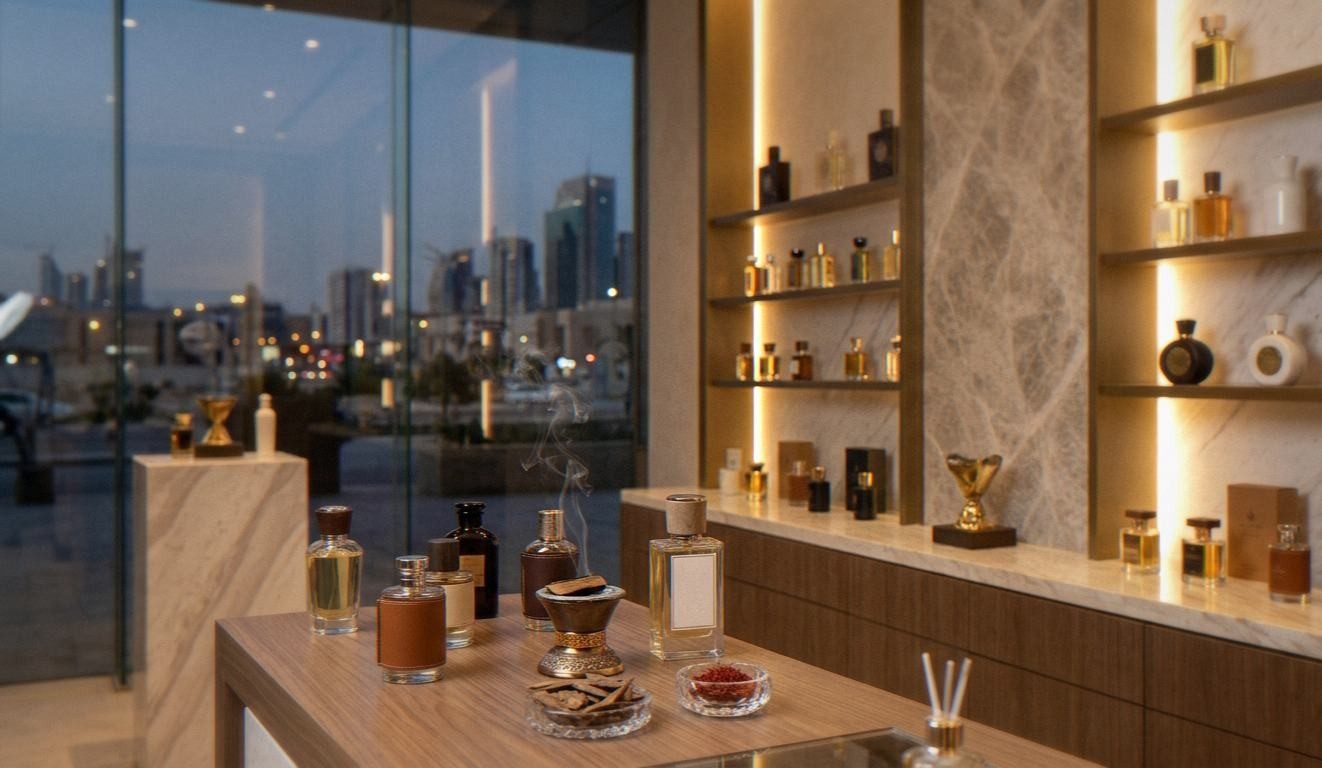
The Gulf can become a major market for niche perfumery. Not because it buys expensive, but because it grants fragrance a rare place, closer to the center of daily life than almost any Western market gives it. The brands that understand that place can build a durable relationship with it. The others will sell a few bottles, until their oriental set-dressing starts to smell like cardboard.
Source: GCC Luxury Beauty Booms as Skincare, Fragrance, and K-Beauty Dominate the Region - BeautyMatter
Was this useful?
What was missing?
Noted, thank you. It goes straight to the editorial side.