What climate does to perfume raw material prices
By the LiaKea Beauty Tribe editorial team5 min read
Key figures
- Grasse tuberose harvest, 2022 drought
Down 40% year-on-year for growers supplying Dior
As of
- UN 'water bankruptcy' declaration
January 2026: freshwater has exceeded 6 of the 9 planetary boundaries since 2022
As of
- Cosm'Agri Business Day, inaugural edition
140 participants, split 50/50 between cosmetics companies and farmers
As of
The same anecdote has been recycled in perfume-and-climate coverage for years now: a Grasse grower loses 40% of a tuberose harvest to drought, a Madagascar cyclone sends vanilla from $20 to over $600 a kilogram. Both are real and still relevant. What’s changed by 2026 is the framing: water stress on fragrance crops has stopped being treated as a series of one-off extreme weather events and started being treated as a structural sourcing variable, one an entire new industry event now exists specifically to manage.
Grasse tuberose down 40%: the damage already priced in
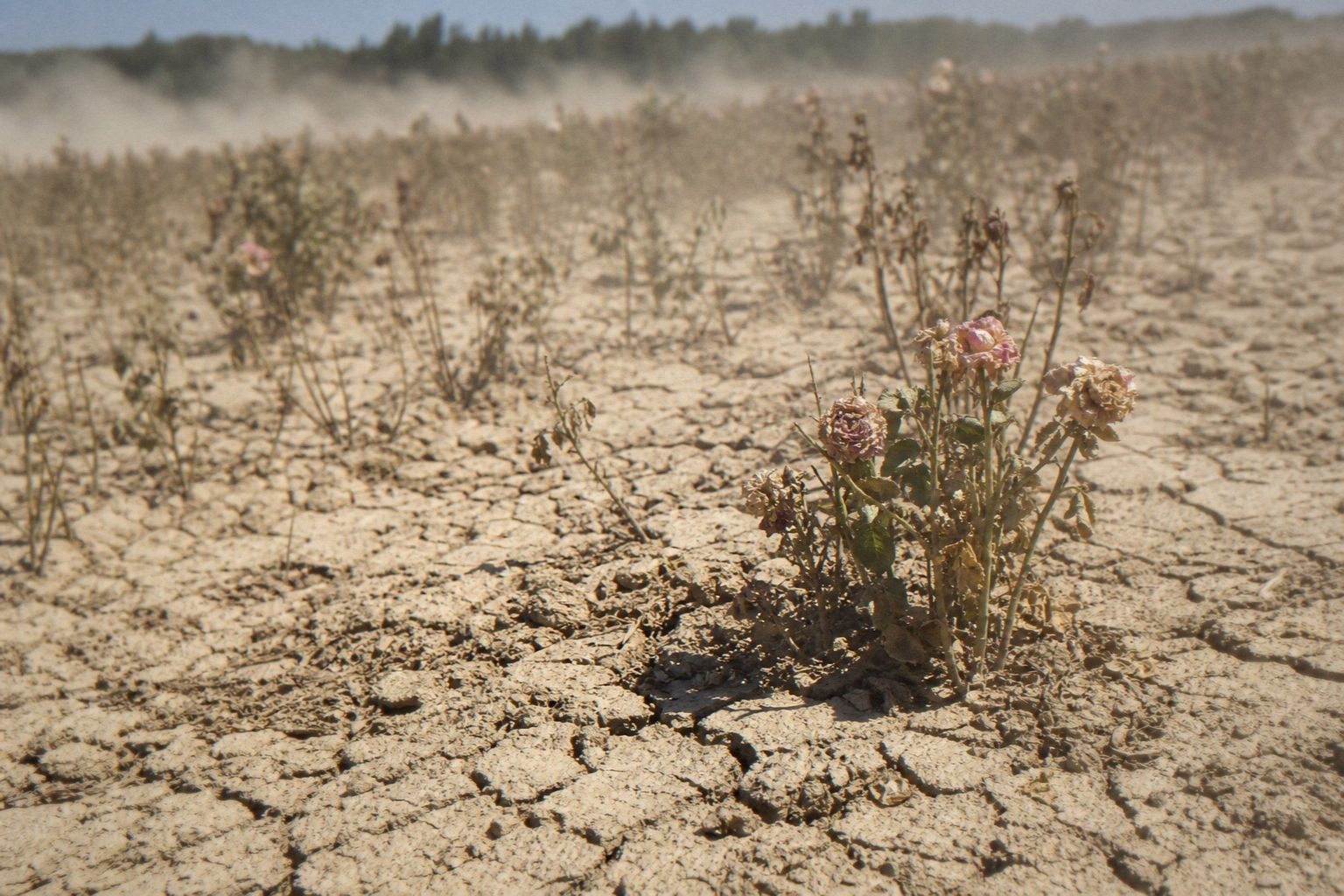
The reference points are well established. Grasse’s 2022 drought cut tuberose yields by 40% for growers supplying houses like Dior, part of a broader pattern hitting rose centifolia and lavender harvests in France. Lisa Hipgrave, director of IFRA UK, has summarized the mechanism plainly: “Natural materials are particularly affected by the weather extremes, droughts, cyclones, tropical storms and flooding have hit many countries.” Ana Ripoll, a perfumer at Croda-owned Iberchem, pointed to the same pattern closer to the ground: “Recent water shortages have affected the harvest of the rose centifolia and lavender in France.” Madagascar, source of roughly 80% of the world’s vanilla, has lived the sharpest version of this: Cyclone Gita alone helped push vanilla prices past $600 a kilogram in 2018, and the underlying volatility hasn’t gone away.
The same pattern shows up, in different forms, in the two other regions perfumery depends on most. In the Comoros, source of most of the world’s ylang-ylang alongside vanilla and cloves, tree cover on the island of Anjouan has shrunk by 28% over the past 20 years, driven partly by clearing forest for farmland and cutting wood for fuel. UNEP describes the resulting chain plainly: soil erosion, dwindling freshwater and “collapsing harvests” for the cash crops, ylang-ylang included, that make up nearly 90% of the country’s agricultural exports. A restoration program now underway aims to replant 1.4 million trees and rehabilitate 3,500 hectares of watershed specifically to stabilize that supply. In Indonesia, which supplies more than 80% of the world’s patchouli oil, the pressure runs the other direction: a social-media-driven demand spike has pushed farmers in West Sulawesi to clear rainforest for new plantings, since patchouli depletes soil fast enough that fields are typically abandoned after two harvests. Zulkifli Manggazali, head of the region’s Environment and Forestry Agency, connects the practice directly to disaster risk: “Because when patchouli is planted there, there will be erosion, flooding, and landslides.” A landslide in Mamuju killed a family in January 2025. Between Comoros and Indonesia, the same raw material category shows up on both sides of the climate equation, a victim of water stress in one place, a driver of the deforestation that causes it in another.
Benoit Verdier, co-founder of the fragrance house Ex Nihilo, described the industry’s dominant response to all of this bluntly: “Large houses are stockpiling raw materials in anticipation of possible shortages in coming years.” That’s a hedge only the largest houses can afford to run, which is itself part of the story: climate-driven scarcity doesn’t squeeze the industry evenly.
Water scarcity, and why 2026 reads differently
What’s new isn’t the weather, it’s the framing. The UN declared a form of planetary “water bankruptcy” in January 2026, noting freshwater has exceeded six of the nine recognized planetary boundaries since 2022. That’s a global framing, but it lands hardest on a specific, familiar list of places: historic fragrance production zones in Spain, Italy, Morocco and southern France are now described as facing structural water deficits, not just bad years. The Rhône is shrinking, groundwater recharge rates are declining, and the 2022-2023 droughts that hit French wine supply chains are cited as the template for what’s coming for aromatic crops too. Treated as a string of unlucky harvests, this is weather. Treated as a shrinking water budget across the exact regions perfumery depends on, it’s a cost structure.
Cosm’Agri Business Day: farmers and perfumers in one room
That reframing is exactly what a new event is trying to act on. The Cosm’Agri Business Day, held for the first time in 2025 and back on June 9, 2026 at Lyon’s Théâtre Flottant l’Île O, exists to close a gap its co-founder Sandrine Lecointe names directly: “Agriculture and cosmetics have advanced on parallel paths for four decades. Shortages surprise us, sourcing is fragile.” The inaugural 2025 edition drew 140 participants split evenly between cosmetics companies and farmers, organized around water footprint, soil regeneration and resource tension. It wasn’t just talk: brands left having tested new ingredients (ornamental sorghum, bamboo, carob, organic French exotics), started exploring land acquisition for shorter supply chains, and had sourcing teams pick up on previously unused agricultural byproducts like apple blossom and thinning foliage. The 2026 edition returns with water specifically as the strategic theme, alongside a regulatory backdrop that adds its own cost: the EU Deforestation Regulation (EUDR) becomes effective December 30, 2026, layering traceability requirements on top of an already tightening supply picture.
What water scarcity means for raw material pricing
None of this changes near-term prices on its own, water infrastructure and supply relationships take years to shift, the same long-horizon logic already visible in how India’s 2026 budget is trying to rebuild its sandalwood supply base. But the direction of travel is clear enough to price in as risk rather than surprise: scarcity in a handful of historically dependable growing regions is becoming structural, the hedge of choice (stockpiling, and increasingly direct relationships with growers, the same pattern already visible in Firmenich’s long-term sourcing ties in India and Africa) favors whoever has the capital to move first, and it’s one more entry in the broader pattern of scarcity reshaping how the fragrance industry sources noble naturals. For smaller houses without stockpiling budgets or direct-sourcing teams, that gap is the real price of climate change on perfumery, not a headline spike after the next cyclone, but a structural disadvantage against houses that got to the water-stressed farmers first.
Source: Le changement climatique impacte l'industrie du parfum haut de gamme - Luxury Tribune
Was this useful?
What was missing?
Noted, thank you. It goes straight to the editorial side.