India's 2026 budget boosts sandalwood cultivation: what it means for sourcing
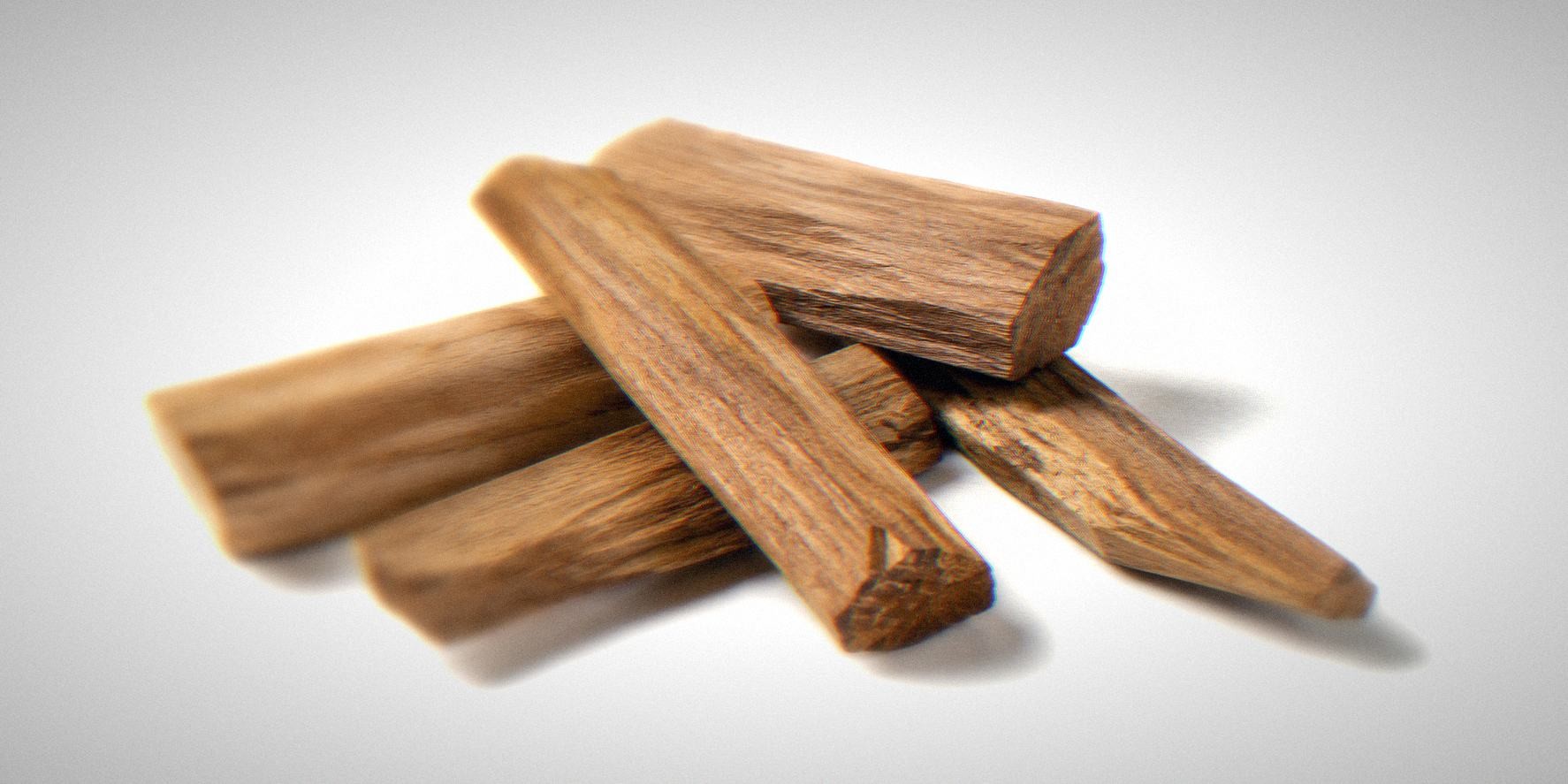
Indian sandalwood occupies a singular place among natural raw materials: both protected, historically regulated by the state, especially in Karnataka, and coveted, its essential oil remains one of the most expensive in the fragrance market. India’s 2026 budget shifts a dial that had stayed frozen for decades.
A historically locked-down sector
Unlike most aromatic raw materials, Indian sandalwood has never been an open market. Felling trees, even on private land, remained subject to complex authorizations, a legacy of rules designed to protect a resource overexploited in the 20th century. The flip side of that protection: volumes have been chronically insufficient against demand, and a parallel market has never been fully stamped out, as illustrated by regular seizures of red sandalwood by forest authorities.
That scarcity shows up directly in price: premium-grade Indian sandalwood oil trades near the government rate of roughly ₹150,000 (around $1,800) per kilogram, with wide variation below that depending on purity and santalol concentration (Signup Trending Nature), among the most expensive natural materials the fragrance industry uses at any real volume.
What the 2026 budget changes
India’s 2026 budget introduces explicit support for sandalwood cultivation, with a clear goal: encourage planting on private land rather than depending solely on public forest reserves. This direction echoes reforms already underway in some states, such as Kerala, where felling and sale rules have started to ease for private landowners who plant voluntarily.
The political intent is clear: turn a constrained resource into an incentivized agricultural sector, following the model of other perennial crops. The economic logic is simple too: a sandalwood tree planted today doesn’t reach commercial maturity for fifteen to twenty years, so every year of delay in incentivizing planting costs a generation’s worth of available volume down the line.
What it means for sourcing
For buyers of sandalwood or sandalwood essential oil, the immediate effect of this kind of measure is nil, a tree’s maturation can’t be legislated into existence. But the signal sent to the market matters: if India succeeds in broadening its production base through private land, pressure on prices could ease over the long run, and dependence on public forest stocks, more exposed to tension and trafficking, could decline.
In the short term, scarcity remains the rule, and sandalwood prices will keep reflecting that tension. But for any organization thinking about its supply on a ten- or twenty-year horizon rather than a quarterly one, this kind of reform deserves close attention, it’s redrawing the map of tomorrow’s producers, potentially beyond public channels alone. It’s the same long-horizon logic behind Firmenich’s direct sourcing relationships in the region, and a specific illustration of the broader raw material scarcity reshaping fragrance sourcing strategy.
The implementation detail confirmed since the budget’s tabling on February 1, 2026 matters as much as the headline: the program is being rolled out in partnership with state governments, which will handle cultivation, monitoring and post-harvest management directly, an explicit attempt to fix the illegal harvesting and poor plantation management that have hobbled the sector for decades (Deccan Herald). Naming sandalwood alongside a small club of official “high-value crops” is itself a signal to farmers to shift away from low-margin staples.
Source: Union Budget 2026 gives boost to sandalwood cultivation - Down To Earth