Why perfumes cost more now, and what that buys
By the LiaKea Beauty Tribe editorial team4 min read
Key figures
- US prestige fragrance, first half of 2026 (Circana)
Dollar sales +6%, units flat, average price +5%
As of
- Givaudan Fine Fragrance, first half of 2026
+7.3% like-for-like, with price increases stated as fully compensating input costs
As of
- Capace Exclusive eau de parfum, Action stores
€2.99 for 100 ml
As of
On 1 June 2026 a fragrance reviewer in the Netherlands, 49,000 subscribers, spent nineteen minutes on overspending. The useful part is not the opinion, it is the behaviour. She has bought two bottles all year, both 100 ml eaux de parfum at €3 from Capace Exclusive, the perfume line at Action, the European discount chain. One is a Neroli Portofino dupe, the other reads as Bitter Peach with the patchouli turned down. Her verdict: “it doesn’t smell cheap.” On the new releases from the houses she used to buy, the opposite: “nice and pleasant”, but not as good as five or ten years ago, and many carrying “that harsh scratchy kind of note”.
Two complaints: everything costs more, and the new things smell worse. Usually treated as separate, one economic and one nostalgic. The 2026 figures suggest they are the same event seen from the two ends of a supply chain.
Circana: the price rise is the entire growth
Circana’s first-half 2026 numbers for US prestige beauty, reported on 12 August, give fragrance a 6% rise in dollar sales, unit sales flat, average prices up 5%. Read that with the units in mind: the category did not sell more perfume, it sold the same amount for more money.
What a Givaudan price increase actually moves
The other half was published three weeks earlier. Givaudan’s half-year results, 23 July 2026: “With higher input costs in 2026, the Company is implementing price increases in collaboration with its customers to fully compensate for the increases in input costs.” Fine Fragrance up 7.3% like for like. So input costs are genuinely rising, and the pass-through is explicit.
But follow where it lands. What a compounding house sells a brand is the concentrate, and an eau de parfum is typically 15 to 20% concentrate, billed before the bottle, the cap, the box, the retailer’s margin and the media plan. An increase on that line moves the cost of a fifth of the liquid. It does not move a shelf price by 5%.
What reformulation costs is the smell, not the ticket
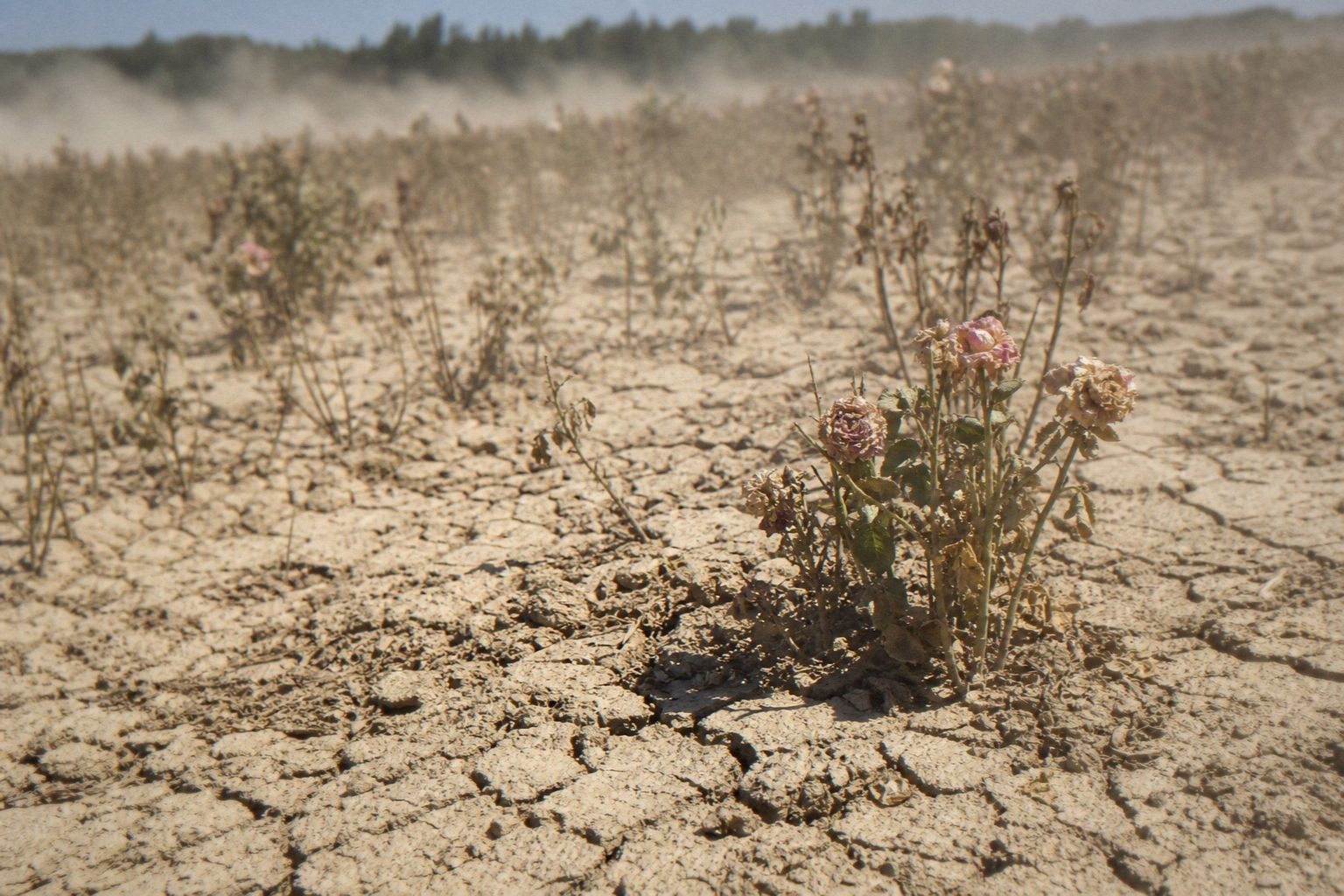
Raw material pressure changes the formula, not the ticket. A material gets capped or substituted, the perfume is rebuilt to stay compliant, and the work is invisible in the price and very visible in the bottle. Our own experience of it is blunt: perfumes recomposed to keep up with regulation are sometimes very far from the original, and they come under fire from consumers, who turn away. Not an argument against the rules, simply what they cost, charged to the smell rather than to the margin. Oakmoss is the case everyone knows, and the 51st IFRA amendment keeps the list moving.
Set that beside the “harsh scratchy kind of note”. No consumer’s vocabulary diagnoses a particular launch, but it is what drift sounds like from the buying end, reported by someone who owns two hundred of these bottles.
Adulteration, and why paying more does not buy naturals
The second reason the price signal has come loose sits upstream of every brand here. Chromatograms do not circulate freely, adulteration is large and ordinary, and between the two there is often no reliable way to know what a lot actually is. That is why Indian sandalwood has no real price, and why our own production, everything included, comes out systematically more expensive than the market: we compete with imports and with adulteration, not with a clean benchmark. Ask a small producer for the documentation that would settle it and the conversation usually stops there, the cost being out of proportion to their size.
What the €3 bottle is testing
She is not claiming the dupe is equal: it does not last, and performs somewhere between a body spray and an eau de toilette. Her claim is narrower: for a walk, the shop, a bike ride, the difference no longer justifies the multiple. Dossier’s CEO Sergio Tache put it to Glossy in March 2026, from the side that profits: “One of the main reasons why the ‘dupe perfume’ culture has grown so much is because the luxury brands increased their price by so much.”
We have argued before that the dupe market runs on claims the industry made too freely. The 2026 data adds the mechanism underneath: a category growing only on price, on flat units, asks its existing buyers to absorb the whole increase.
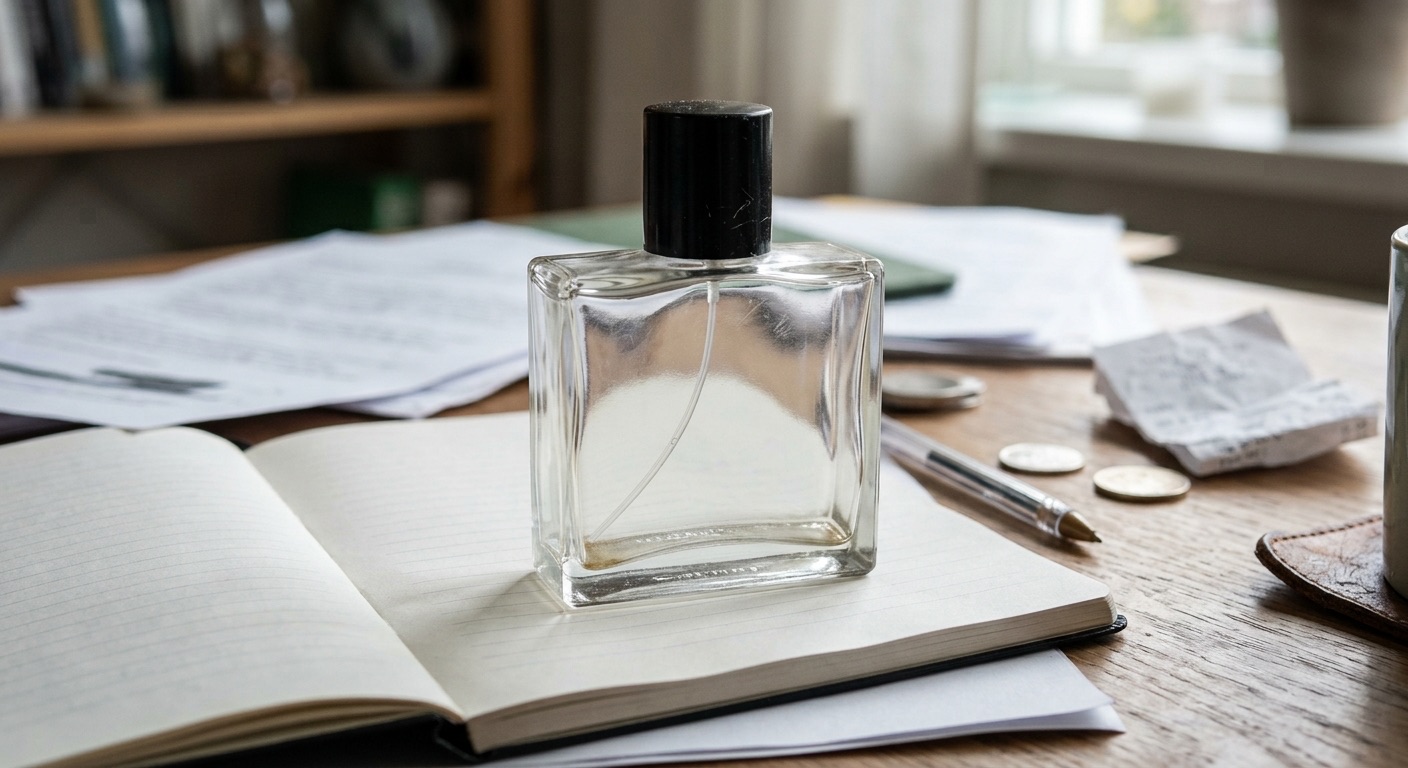
And her conclusion is not to buy dupes. It is #projectpaperweight, the fragrance version of project pan: wear what you own until the bottles are empty enough to hold down paper. That is what to watch, not the €2.99 bottle. A dupe competes for an occasion. A customer who has stopped buying and started using up competes for the category.
Was this useful?
What was missing?
Noted, thank you. It goes straight to the editorial side.